


That burning, scratchy feeling in your eyes can make simple tasks like reading or driving uncomfortable. You might find yourself blinking more often or reaching for eye drops throughout the day. Luminance Vision understands how disruptive chronic dry eye can be to your daily routine and quality of life.
Your eyes may feel dry because your tear film isn’t working properly—either you’re not producing enough tears or the tears you make evaporate too quickly due to blocked oil glands, medical conditions, or environmental factors. Professional dry eye treatment can help restore your natural tear production and provide lasting relief from these uncomfortable symptoms.
Common Signs Your Eyes Are Dry
Sometimes, you’ll know your eyes are dry because they will send you signals, aka symptoms. Sometimes you won’t even know your eyes are dry until it’s really too late. The symptoms of dry eyes can range from mildly, annoying to painfully, disruptive:
- Redness
- Burning, stinging, or scratchy sensations
- Tearing or watery eyes
- Blurred vision, fluctuation vision, or difficulty with night driving
- Contact lens discomfort or light sensitivity
Sometimes dry eyes are watering excessively because your body’s natural defense mechanism when the eyes are dry is to produce reflex tears. These tears, however, don’t have all the components of healthy years to stick to the eyes and adequately keep your eyes comfortable long-term.
What Causes Dryness?
Medical Conditions and Medications
Beyond external factors and internal health play significant roles in eye health and comfort. Medical conditions such as diabetes, thyroid issues, and autoimmune diseases can actively reduce tear production or degrade tear quality.
This risk is further compounded by the side effects of common medications like blood pressure treatments and allergy pills, as well as the natural biological shifts associated with aging. Research indicates that structural changes in the tear-producing glands, often driven by inflammation or hormonal shifts during menopause, make dry eye an increasingly common challenge as we get older.
Environmental Factors That Can Dry Out Your Eyes
Your surroundings and daily habits often play a much larger role in eye comfort than you might realize. Factors such as wind exposure, sleep apnea masks, or low humidity from indoor heating or air conditioning all accelerate tear evaporation.
This environmental strain is frequently worsened by screen usage; when focusing on digital devices, your blink rate typically drops by about 60%. Because blinking functions to spread tears evenly across the eye’s surface and releases oil to the tear surface, decreased blink rate will cause dry eyes. Your tear film has 3 layers that work together to keep your eyes moist and protected. When any layer gets disrupted, you can experience dry eye symptoms.
To combat digital eye strain that leads to dry eyes, we recommend practicing the 20-20-20 rule. This involves taking a break every 20 minutes to look at something at least 20 feet away for at least 20 seconds. By shifting your focus, you encourage a more natural, complete blinking pattern that refreshes the tear film and gives your eye muscles a necessary chance to relax during a long workday.
Your Tear Film Breaks Down
Another cause of dry eyes is clogged eyelid glands called Meibomian glands which are sebaceous glands that line the upper and lower eyelids. These glands release an oil layer onto your tears that acts as a vital seal to prevent tear evaporation. If the Meibomian glands become blocked due to diet, skin conditions such as ocular rosacea, blepharitis, or an inflammatory diet, your tears will lack the essential oils that lock in moisture. This leads to dryness even if your eyes are technically producing enough liquid.
Professional Treatment Options That Actually Work
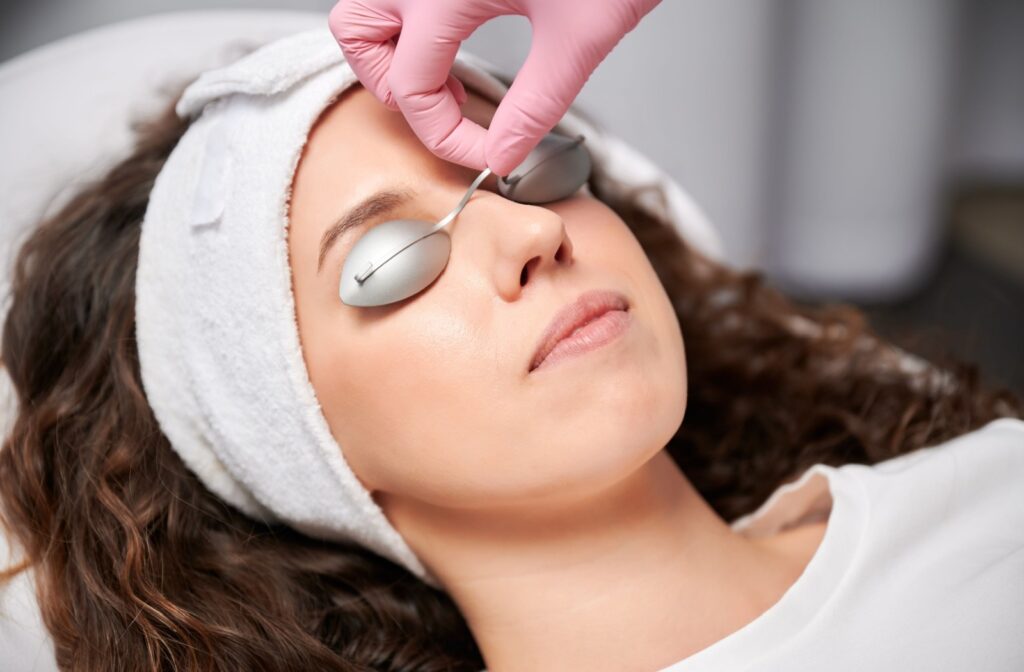
Over-the-counter lubricating drops can provide temporary relief and help the eyes feel better. Professional in-office treatments will identify and treat the root causes of dry eye disease for longer-lasting eye health and comfort. Professional treatments also prevent dry eye disease from progressing into severe dry eyes.
Technology-Based Dry Eye Treatments
Modern dry eye disease treatments use targeted technology to restore your natural tear production and quality. These treatments address inflammation and/or blocked glands that contribute to ongoing and chronic discomfort that comes from dry eyes. They can include:
- Lumecca-I Intense Pulsed Light (IPL) by InMode
- Forma-I Radiofrequency (RF) by InMode
- Eyelid Expression
- Eyelid Exfoliation Cleaning
- Low Level Light Therapy (LLLT) or Red Light Therapy
- Amniotic Membrane Therapy
Additional Treatment Methods
Our dry eye doctors formulate treatment plans that address the specific contributing factors to your dry eye disease. These can include:
- Punctal plugs for tear retention
- At-home remedies using heat masks, daily eyelid hygiene or dietary supplements
When to See an Optometrist
You don’t have to live with chronic eye discomfort. A professional examination can identify the type of dry eye disease you are experiencing and create a treatment plan to address your symptoms.
Luminance Vision Optometry combines comprehensive eye care with personalized treatment approaches to prevent disease progression and provide lasting relief from dry eye symptoms. Schedule your consultation to explore both therapeutic options and aesthetic treatments that can help you see clearly and feel comfortable throughout your day.