
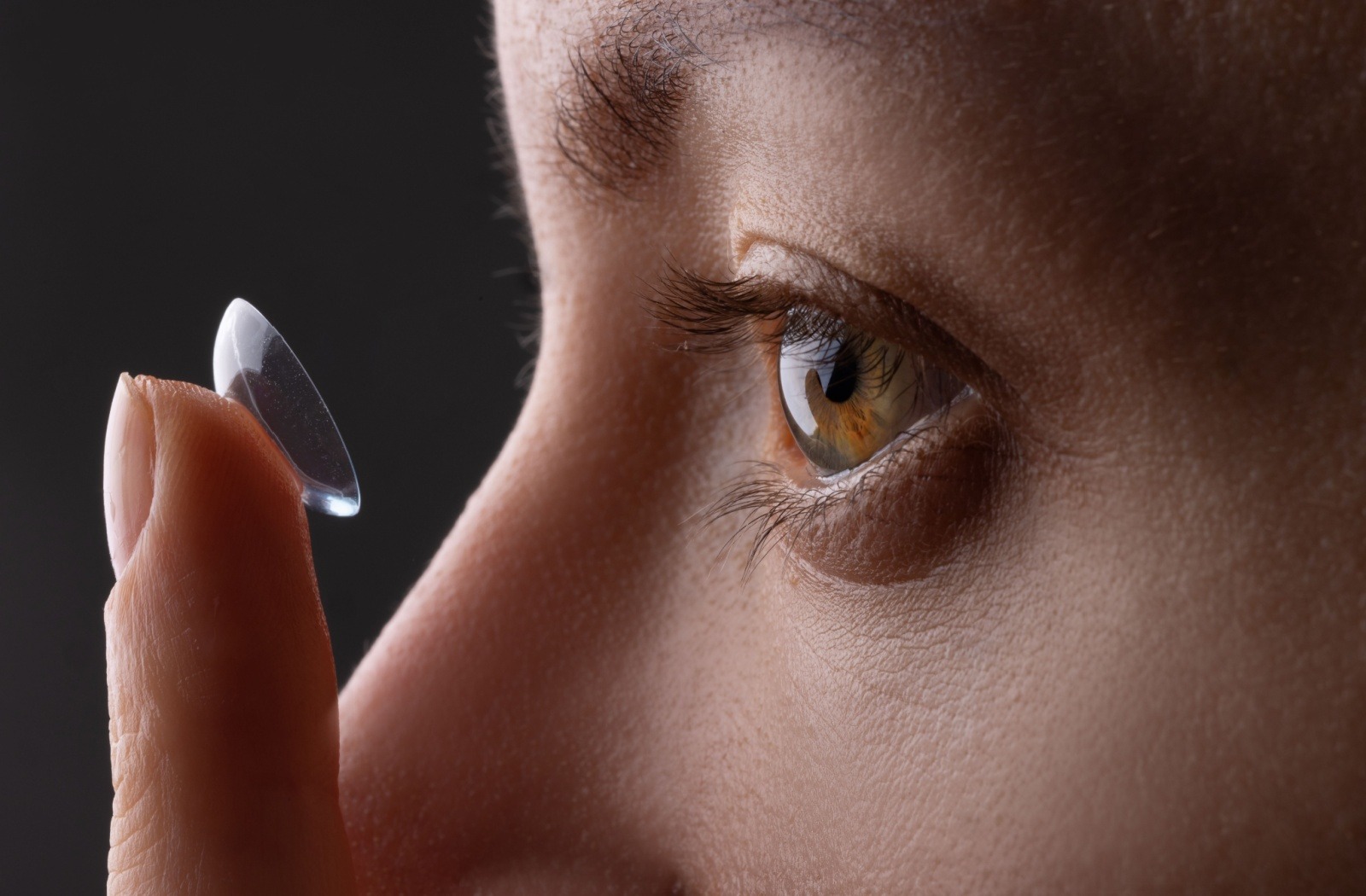
Your eyes feel gritty and uncomfortable after just a few hours of wearing contacts. You blink frequently, trying to find relief, but the dryness persists. If you’ve experienced either or both of these symptoms, you know how frustrating it can be, and you might wonder if you can ever enjoy the freedom that contact lenses can offer.
The good news is that many people with dry eyes can wear contacts when they choose the right lens type and follow proper care practices. At Luminance Vision Optometry, we know that wearing contacts with dry eyes often involves professional assistance, which is why we offer contact lens fittings and dry eye treatment in Lafayette, California.
Why Contacts Sometimes Make Dry Eye Worse
Contact lenses require moisture to remain soft and comfortable in the eye. If the moisture of your eyes, also known as the tear film, is compromised in any way it’s very difficult to keep a contact lens moist and comfortable in your eye. Over time, this causes dry eye symptoms, contact lens intolerance, and will progressively feel worse.
Contributions to Contact-Related Dryness
Contact lenses need your natural tears to stay soft, which can reduce the moisture available for your eyes, specifically the clear, outer layer of your eye. Several factors contribute to contact-related dryness, including:
- Lenses can reduce oxygen flow to your cornea
- Protein buildup on lenses can cause irritation
- Poor-fitting lenses can create friction and discomfort
- Contact lens materials draw more moisture from your natural tears
Understanding Your Tear Film
Your tear film has 3 layers that work together to keep your eyes moist. Contact lenses sit directly on this tear film, which can disrupt its natural balance and lead to the uncomfortable symptoms you experience. Understanding the causes and symptoms of dry eye can help you make informed decisions about what lenses might be right for you.
Contact Lens Options That Can Work with Dry Eye
There are different contact lens options available that can work for those with chronic dry eye. Our team can help you decide which may be right for you.
Daily Disposable Lenses
Daily disposable lenses offer a fresh, clean lens every day, which minimizes the ability for proteins to build up. Because you start each morning with a sterile lens, it reduces the risk of deposits or bacteria accumulating. This can lead to a more comfortable experience.
Low-Water-Content Lenses
Low-water lenses don’t draw as much moisture from your natural tears. This helps maintain the hydration of your eyes throughout your day, whether you’re using screens, playing with your kids, or just living life.
Silicone Hydrogel and Scleral Lenses
Silicone hydrogel materials allow more oxygen to reach your eyes, reducing corneal irritation. Specialty scleral lenses vault over the outer layer of your eye, creating a reservoir of moisture between the lens and your eye. It’s important to know that scleral lenses require custom fitting.
Simple Changes to Improve Comfort
Preservative-Free Contact Solutions
Some contact solutions contain preservatives that may irritate sensitive eyes. Your optometrist can recommend preservative-free options or specific brands that may work better with your lenses and eye chemistry.
Contact-Safe Eye Drops
Contact-safe lubricating drops can provide relief during wear. Always check with your eye doctor to make sure the drops you choose are compatible with your specific lens type, as some drops can damage certain lens materials.
Proper Care
Proper contact lens care becomes even more important when you have dry eye, as poor hygiene can worsen irritation. Good contact care habits include:
- Washing your hands before handling lenses
- Replacing your lens case every 3 months
- Never wearing lenses longer than recommended
- Giving your eyes regular breaks from contact wear
Daily Habits That Support Contact Comfort
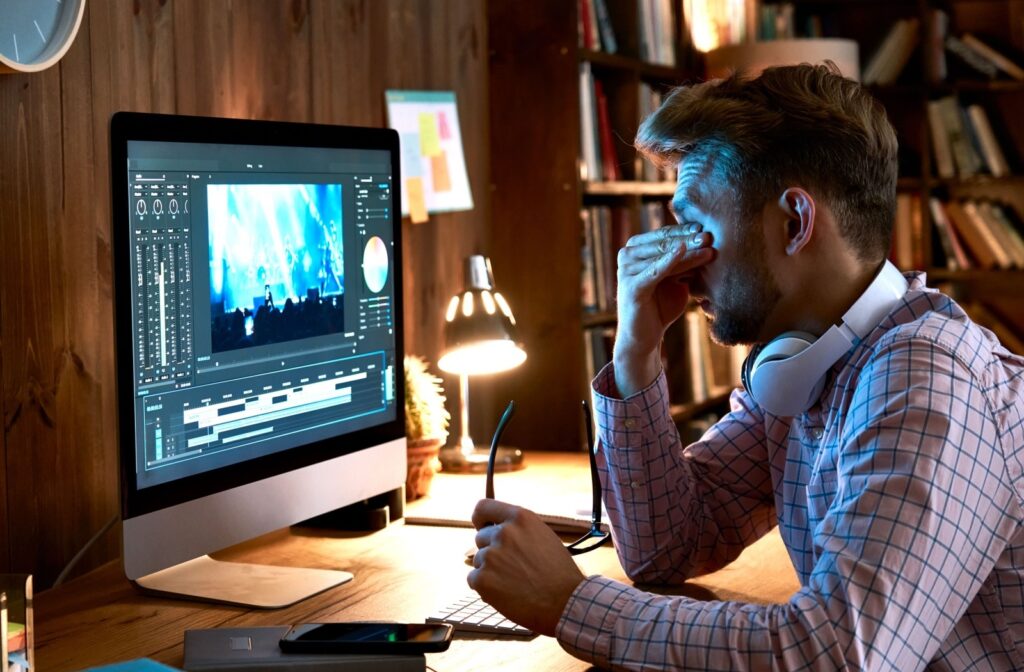
There are a few daily habits that can help keep your eyes comfortable when wearing contacts day-to-day.
Stay Hydrated
Drinking plenty of water supports natural tear production from the inside out. Adding moisture to dry indoor air, especially during winter months, can help prevent your eyes from drying out while you work or relax at home.
Prevent Digital Eye Strain
Follow the 20-20-20 rule: Every 20 minutes, look at something 20 feet away for 20 seconds. This helps reduce digital eye strain, which can worsen dryness, particularly during long workdays.
Protect Your Eyes from Irritants
Sunglasses shield your eyes from wind, dust, and UV rays, which can increase dryness and discomfort while wearing contacts. This protection becomes especially important during activities outside with your family or long outdoor commutes.
Professional Care Can Make a Difference
A Contact Lens Exam
A comprehensive contact lens exam can include measuring your eye’s curvature, evaluating your tear film, and testing different lens materials. Your optometrist can assess the severity of your dry eye symptoms and recommend the most appropriate lens options for your lifestyle.
Further Treatments
The team may recommend additional treatments like prescription eye drops, in-office procedures, or environmental modifications to help manage your dry eye symptoms alongside contact lens wear. Professional dry eye treatments can help to address the root causes of your dryness rather than just masking the symptoms.
Comfortable Vision Is Possible Together
At Luminance Vision Optometry, our team combines years of experience with innovative dry eye treatments to help you achieve comfortable contact lens wear. Schedule a consultation in Lafayette, California, to explore your options and discover how you can enjoy the clear sight you’ve been envisioning.