
Dealing with a stye is uncomfortable enough the first time. When they keep coming back, feelings of frustration can grow, and you may wonder if you’re doing something wrong. Recurring styes can disrupt your routine and affect how you feel about your appearance, but our goal is to provide kind and thorough care to help you find relief.
Recurring styes can sometimes point to an underlying issue like chronic eyelid inflammation or other conditions that need attention, but relief is possible with guidance from an optometrist and being consistent with a few habits.
What Is a Stye?
A stye is a small, painful lump that forms on or inside your eyelid, caused by an inflamed or infected oil gland at the base of an eyelash. While they can be very annoying, styes are common and typically don’t pose a serious threat to your vision.
A Pimple or Zit on Your Eyelid
You can think of a stye as a pimple on your eyelid margin. It develops when a tiny oil gland gets clogged with dead skin cells, dirt, or old oil. This blockage creates the right environment for bacteria to grow, leading to the tender, swollen bump you see and feel. For this reason, they are generally not contagious, but bacteria can still be spread from them. It is important to avoid touching your stye unless you are applying a warm compress with freshly-washed hands.
Common Stye Symptoms
If you have a stye, you’ll likely notice a few distinct signs. The most common symptoms include:
- A red, sore lump along the edge of the eyelid
- Swelling of the eyelid
- A gritty or scratchy feeling, which can also be a symptom of dry eye
- Watery eyes
- Crust formation along the lash line
The Root Causes of Recurrent Styes
If you find yourself with stye after stye, it’s time to look beyond the bump itself. Frequent styes are often a signal from your body that something else is going on.
Blepharitis: A Common Culprit
Blepharitis is an inflammation of the eyelids that causes them to become red, scratchy, and swollen. This condition often leads to clogged oil glands, which makes it 1 of the causes of recurring styes. If your eyelids frequently feel irritated or have crusty debris, you may have blepharitis.
Eyelash Mite Overpoulation
We all have tiny, microscopic mites called Demodex living on our skin, including our eyelashes. In small numbers, they are harmless. However, overpopulation of these mites can block hair follicles and oil glands, leading to inflammation and frequent styes.
Other Health and Skin Conditions
Certain skin conditions, like ocular rosacea, can increase inflammation around the eyes and make you more prone to styes. Other factors, such as stress or hormonal changes, can also affect the oil glands that line your eyelids.
How to Manage a Stye at Home
When you get a stye, a few simple home care steps can help soothe discomfort and encourage healing. The key is to be gentle and consistent with your approach. These simple actions can help you feel more comfortable as your body heals.
The Warm Compress Method
Applying a warm compress is 1 of the most effective ways to treat a stye. The heat helps dissolve the trapped oil and pus, allowing the stye to drain on its own. Use a clean washcloth soaked in warm water and hold it over your closed eye for 10–15 minutes, 3–4 times a day.
What to Avoid When You Have a Stye
To help your stye heal faster, there are a few things you should not do. Never try to squeeze or pop a stye, as this can spread bacteria and make the situation worse. It’s also wise to avoid wearing eye makeup and contact lenses until the stye is completely gone.
How to Stop Styes from Returning
A great way to deal with styes is to prevent them from forming in the first place. By adopting a few healthy habits, you can significantly reduce your chances of getting them again. A proactive approach supports long-term eye health and comfort.
Adopt a Daily Eye Care Routine
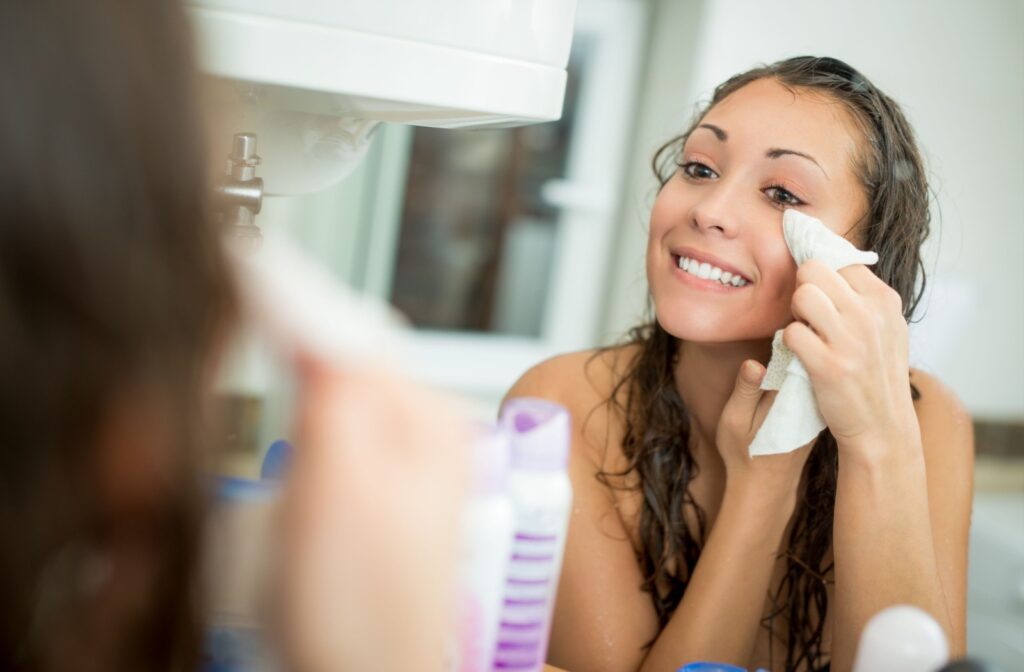
Good hygiene is your first line of defense against styes. Gently wash your eyelids each day with a mild cleanser to remove bacteria, makeup, and debris that can clog your glands. This simple step is a key part of managing eyelid inflammation and can make a big difference in preventing future styes.
Review Your Makeup Habits
Old makeup can hold bacteria. Be sure to replace your mascara and eyeliner every 3 months to keep them fresh. Always remove all your eye makeup before you go to sleep, and never share makeup with others.
When to See Your Local Eye Doctor
While most styes resolve with home care, some situations require professional attention. If your styes are persistent, an evaluation from an eye doctor can help address the root cause. This helps you move past temporary fixes toward a real solution. The first step is often a comprehensive eye exam, as it can reveal important information about your overall health.
Signs a Stye Needs Professional Care
Schedule a visit with an eye doctor if your stye:
- Doesn’t improve after 48 hours of home care
- Is extremely uncomfortable or swollen
- Affects your vision
- The redness and swelling spread to your cheek or other parts of your face
Explore Treatment Options
If you’re tired of the cycle of recurring styes, professional help can make all the difference. Our team of optometrists in Lafayette, CA, can properly diagnose underlying conditions like blepharitis or Demodex and create a personalized plan. Treatments may include prescription ointments, in-office deep-cleaning procedures for your eyelids, or therapies that restore the health of the small glands lining your eyelids.
Say Goodbye to Styes
At Luminance Vision Optometry, we take the time to understand your unique concerns and get to the bottom of what’s causing your discomfort. We can help you find a lasting solution that not only addresses styes but also enhances your overall eye health and appearance. Schedule a visit with us today to take the first step toward clear, comfortable vision.