
That gritty, tired feeling by late afternoon isn’t just fatigue. Your vision might blur for a second before it clears, especially after hours of staring at a screen.
Dry eyes rarely cause blindness, but leaving them untreated for a long stretch can damage the surface of your eye and affect how clearly you see. Early care protects your vision, and most people find real relief once they know what’s going on.
What Dry Eye Syndrome Really Means
Your eyes rely on a steady layer of tears to stay moist, clear, and comfortable. Dry eye syndrome develops when you don’t produce enough tears, or when the tears you do make evaporate too quickly.
That tear layer isn’t just water. It’s made of oil, water, and mucus working together, and when any one of those layers falls short, the whole system struggles to keep your eyes protected.
A healthy tear film smooths the surface of your eye, clears away debris, and helps light focus properly so you see clearly. Once that layer breaks down, your eyes feel it fast.
Common Signs to Watch For
A few symptoms tend to show up together, and they’re worth paying attention to. Watch for these:
- A burning, gritty, or scratchy feeling
- Redness or sensitivity to bright light
- Blurry vision that comes and goes
- Watery eyes that seem to overcompensate for dryness
- Headaches that show up after screen time or reading
What May Contribute to Dry Eye
Everyday habits play a bigger role than you might think. Long stretches at a computer cut your blink rate way down, which lets your tears evaporate faster than your eyes can replace them.
Contact lenses can add to the problem too, since they sit right on top of your tear film and can speed up evaporation over the course of a day.
Hormones matter as well. Many women notice more dryness around menopause, when tear production naturally drops.
Age plays a role on its own. Tear production tends to slow down for everyone as the years go by, regardless of hormones.
Dry air, wind, certain medications, and even seasonal allergies can all add fuel to the fire.
How Untreated Dry Eye Affects Your Vision
When dryness sticks around for months, the surface of your eye takes the hit. Your cornea, the clear window at the front of your eye, can develop small scratches or scarring that blur your sight.
A dry surface also has a harder time fighting off germs. That raises your risk of eye infections, and ignoring the problem only gives it more time to take hold.
None of this means dry eye will lead to permanent vision loss. But the discomfort you feel today is worth addressing before it turns into something that’s harder to reverse.
Other Problems Tied to Dry Eye
Dry eyes ripple out into your whole day. The strain of squinting to focus can bring on headaches by mid-afternoon.
You might also notice your focus drifting in and out, sharp one minute and fuzzy the next. In some cases, ongoing dryness links to conditions like arthritis and Sjogren’s syndrome, which is why a full exam can matter so much.
Treatment Options for Lasting Relief
Relief usually starts simple, and builds from there based on what your eyes actually need. Talk with your optometrist about treatment options that fit your day and your comfort level:
- Use artificial tears to soothe mild dryness and keep the surface moist.
- Ask about prescription drops if inflammation is running deeper than surface dryness.
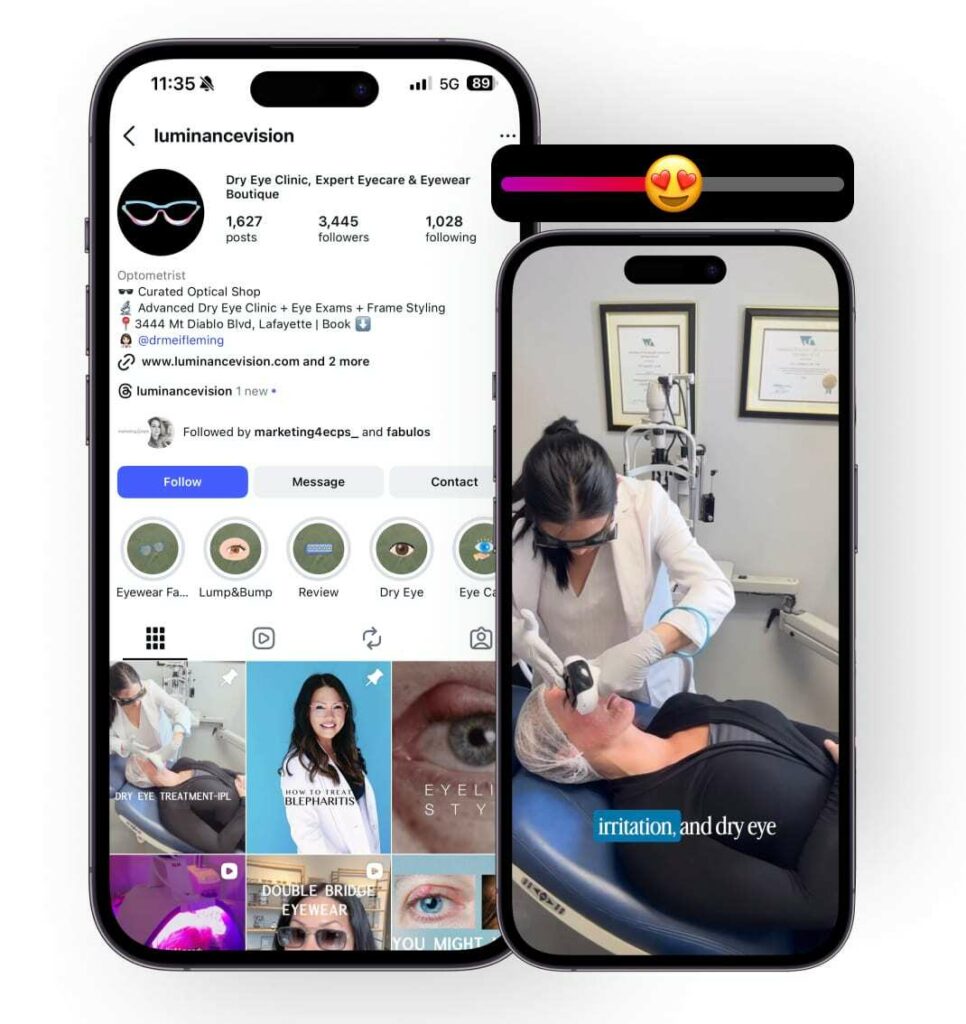
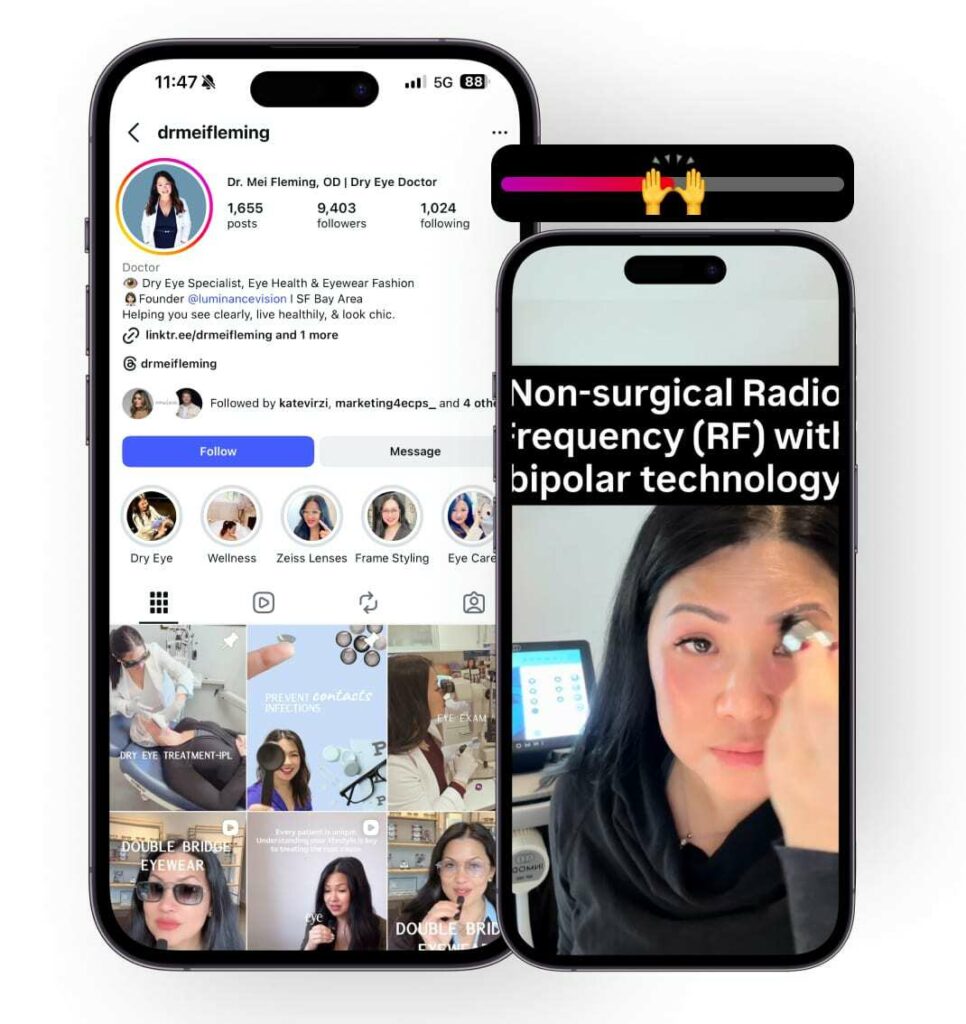
- Consider IPL therapy or LipiFlow to help the oil glands along your eyelids work the way they should.
Stick with whatever routine your optometrist recommends, even after your eyes start to feel better. Dry eye tends to come back quickly once you stop the habits that keep it in check.
Everyday Habits That Help
Small changes add up quickly. Follow the 20-20-20 rule: every 20 minutes, look at something 20 feet away for 20 seconds.
Eat more eye-healthy foods. Salmon, walnuts, and flaxseed support healthy tear production, and staying hydrated keeps your whole body working the way it should.
Wear sunglasses to guard against wind and glare, and run a humidifier indoors when the air turns dry.
When Dry Eye Needs a Closer Look
Home care handles a lot, but sometimes dryness digs in and won’t budge. If your symptoms get worse despite drops and habit changes, it’s time for a closer look.
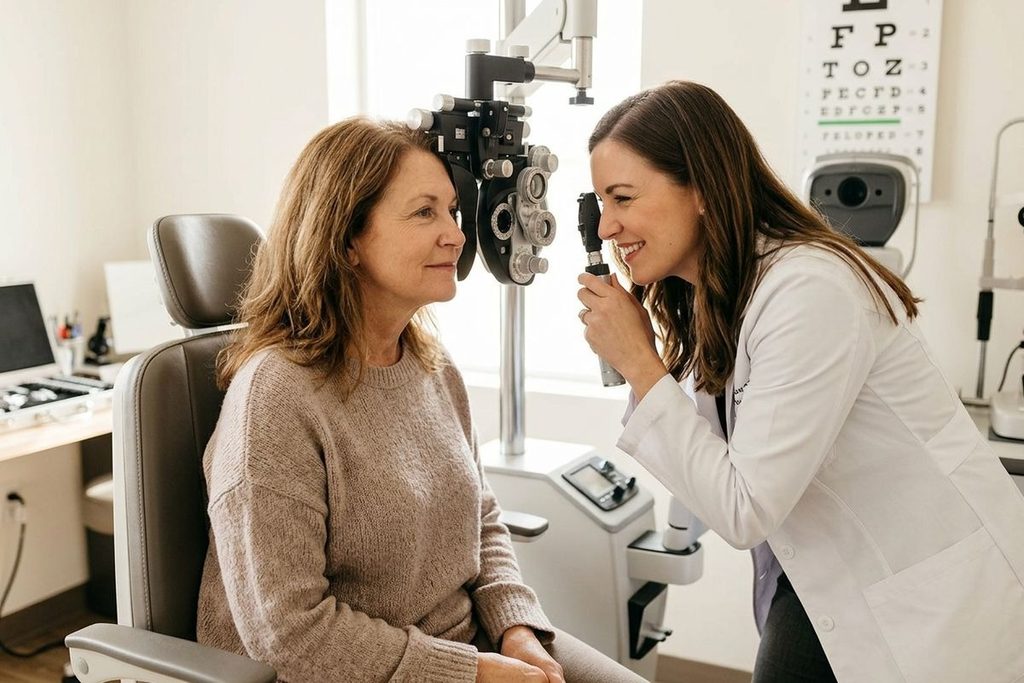
A comprehensive eye exam can identify the root cause instead of just easing the surface feeling. From there, a personalized plan can support your comfort and help protect your vision over time.
Protect Your Vision Before Dryness Takes Hold
Dry eye doesn’t have to threaten your sight, as long as you address the discomfort early and give it the attention it deserves. Start with the habits above, and let your optometrist guide the rest.
At Luminance Vision Optometry, the team pairs thoughtful dry eye care with a warm, patient-first approach for every member of your family. Schedule your visit today, and give your eyes the care they need to stay clear and comfortable.